Understanding the historical evolution of gambling through the ages
The Origins of Gambling
The history of gambling can be traced back to ancient civilizations, where evidence shows that it has been a part of human culture for thousands of years. The earliest records of gambling date back to around 3000 BC in China, where tiles were discovered that were used for a rudimentary game of chance. Similarly, ancient Egyptians, Greeks, and Romans all engaged in gambling activities, often integrating them into their social and religious practices. Many people now enjoy exploring new bitcoin casinos that attract modern gamblers seeking innovative options.

The significance of gambling in early societies was multifaceted. It served not only as a form of entertainment but also as a means of decision-making. For instance, dice were used to make critical choices, reflecting the belief in fate and luck. This belief system laid the groundwork for the rituals and superstitions that still surround gambling today.
The Evolution Through the Ages
As societies progressed, so did the forms and methods of gambling. The Middle Ages saw the emergence of more structured games, with the creation of card games that became a staple in gambling. The establishment of gaming houses and betting venues in Europe during the Renaissance period marked a significant shift toward organized gambling. This era saw the introduction of betting on various events, including horse races, which became immensely popular.
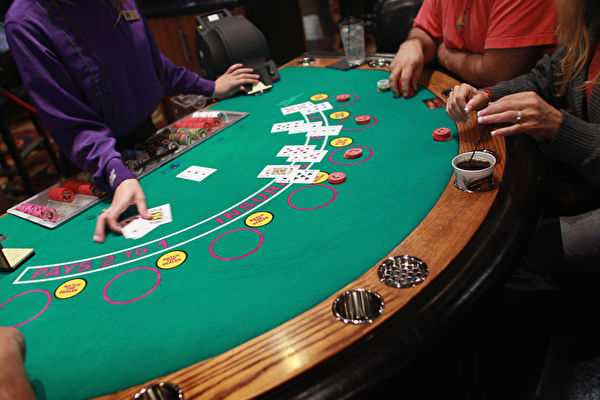
During the 18th and 19th centuries, gambling further evolved with the rise of casinos. The first official casino, the Casino di Venezia, opened its doors in Italy in 1638, paving the way for the luxurious gambling establishments we recognize today. This period also gave birth to various gambling games, including poker and blackjack, which have since become global sensations. Yet, many myths surrounding gambling persist, making it essential to educate players on these misconceptions.
The Impact of Legislation and Regulation
As gambling gained popularity, governments began to take notice. The 20th century was marked by a series of legislative changes aimed at regulating gambling activities. Many countries introduced laws to control the gambling industry, aiming to curb illegal operations while also maximizing tax revenues. This regulatory environment led to the establishment of state-run lotteries and licensed casinos, making gambling more accessible to the general public.
However, the regulatory landscape has been complex and varied across different regions. While some nations embraced gambling as a source of revenue, others imposed strict prohibitions, often citing moral concerns. This duality continues to shape the gambling industry, influencing its public perception and the development of online platforms.
The Digital Revolution and Modern Gambling
The advent of the internet in the late 20th century revolutionized gambling, introducing online casinos and betting platforms. This digital transformation has made gambling more accessible than ever, allowing players to gamble from the comfort of their homes. Today, online gambling encompasses a wide range of activities, including sports betting, poker, and virtual slot machines.
The rise of cryptocurrency has further impacted the gambling landscape, enabling anonymous transactions and greater privacy for players. This shift has led to the emergence of crypto casinos, attracting a new generation of gamblers seeking both security and excitement. As technology continues to evolve, the gambling industry is likely to keep changing, offering innovative experiences for players around the globe.
Exploring the Future of Gambling
As we look toward the future, the evolution of gambling is poised to continue. With advancements in technology such as virtual reality and artificial intelligence, the gambling experience is becoming increasingly immersive and personalized. These innovations promise to redefine how players interact with games and each other, creating unique environments that blend entertainment with social interaction.
At the forefront of this revolution are platforms dedicated to providing safe and enjoyable gambling experiences. With a focus on user experience and security, these platforms are designed to cater to the needs of modern players, ensuring that gambling remains a thrilling pastime for years to come. By exploring these developments, individuals can find exciting opportunities within the rapidly changing world of gambling.